
COLOMBIA
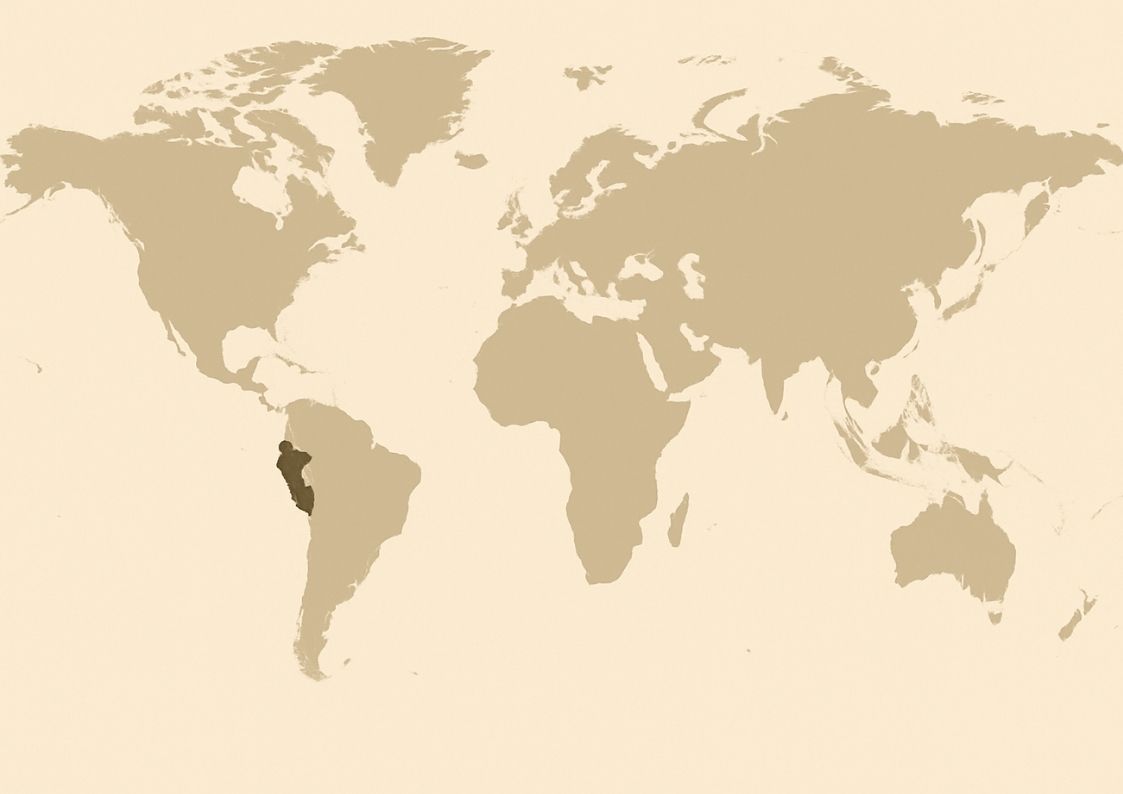
Colombia is one of the world’s most influential specialty-coffee origins. The Andes create high elevations (masl), diverse microclimates, and volcanic soils, yielding bright acidity, clean sweetness, and refined floral-fruit complexity. The country is predominantly Arabica, with a high share of smallholders; strong cooperative structures and the National Federation of Coffee Growers (FNC) underpin quality and stable supply.
History & Institutions
Coffee arrived in the 19th century and became an export pillar in the 20th. The Juan Valdez campaign cemented the “Café de Colombia” brand. Together with Cenicafé, the FNC has driven varietal development, leaf-rust management, and post-harvest standardisation, while providing technical and price-support mechanisms that reduce smallholder risk and enable the rise of specialty.
Terroir & Geography
Three Andean ranges (Western/Central/Eastern) form complex valleys and plateaus. Elevations commonly span 1,200–2,100+ masl with diurnal shifts that favour sugar accumulation and acid formation. Volcanic soils plus rainfall and light regimes yield clear citrus, red-fruit, caramel, and cocoa profiles with cleanliness and layering across departments.
Varieties & Agronomy
Common varieties include Caturra, Castillo, Variedad Colombia, Typica, Bourbon, Tabi, and limited Gesha. Castillo and Var. Colombia balance rust resistance with cup potential. Agronomy emphasises shade-grown systems, selective hand-picking, block management, and soil nutrition; tighter post-harvest control improves replicability.
Processing in Colombia
Washed processing dominates, using mucilage fermentation, rinsing, and controlled drying (parabolic dryers/African beds) to create the classic clean-bright-balanced cup. Innovation has accelerated: honey, natural, anaerobic, carbonic maceration, barrel-aged, and inoculated yeasts. Cherry ripeness, time/temperature, and drying curves are critical to combine intensity with cleanliness.
Tasting Guide
Three broad flavour tracks:
— Classic washed: citrus, red apple, caramel sweetness with clean acidity and a refreshing finish (common in high-elevation south).
— Cocoa-nutty: hazelnut, cocoa powder, dark chocolate with ripe red fruit; fuller body and easy drinking (typical in traditional large provinces).
— Experimental: heightened tropicals, florals, and vinous tones with strong personality (small experimental lots across regions).
Regional Styles at a Glance
(Typical tendencies; lots vary by plot, batch, and processing.)
Stations/Co-ops: strong Indigenous/community participation; washing-station networks expanding
Harvest & Seasonality
Colombia features a main harvest and a mitaca (fly crop), with windows shifting by region: the south (e.g., Huila, Nariño) often peaks in Q2–Q3, while central/northern zones skew toward Q4–Q1. This staggered seasonality supports year-round fresh lots but requires attention to lot dates, water activity, and storage to preserve vibrancy.
Grading & QC
Initial grading by screen size (e.g., S16/17/18) and defect count, then specialty pricing via cupping scores and sensory consistency. Standard controls include ripeness selection, flotation, fermentation management, washing, and drying-curve control, plus moisture and water-activity checks pre- and post-warehousing. Co-ops/exporters commonly operate labs for consistent QC.
Sustainability & Community
Given the smallholder base, co-ops are pivotal for technical support, finance, logistics, and bargaining. Certifications (e.g., Rainforest Alliance, Fairtrade) coexist with direct trade: the former offers environmental/social frameworks; the latter focuses on transparent pricing and long-term relationships. In response to climate change, water management, diversified shade, and soil regeneration are key community practices.
Future Challenges
Climate volatility disrupts rainfall and diurnal cycles, increasing uneven ripening and disease pressure and demanding ongoing agronomic and varietal investment. Rising labour, fertiliser, and transport costs, plus FX swings, squeeze farm margins. While experimental processing boosts differentiation, maintaining cleanliness and replicability—avoiding over-fermentation that erodes trust—remains crucial. At the same time, stronger verification for transparency and value distribution is needed to turn “sustainability” from narrative into measurable outcomes.