
Colombia - Region : Cauca
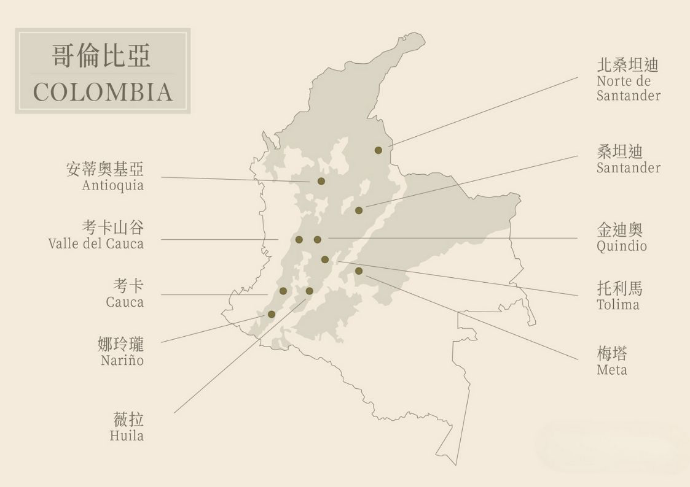
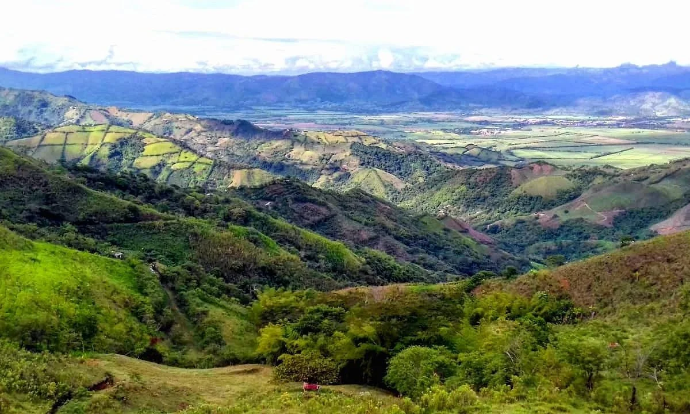
Cauca lies in southwestern Colombia, near the Andes’ Macizo Colombiano. Rugged terrain, fertile volcanic soils, wide diurnal temperature shifts, and diverse microclimates produce clean cups with clear layering. Smallholder farmers are spread across municipalities such as Popayán, Inzá (Tierradentro), and Piendamó, forming a dispersed yet dynamic production network that defines the region.
Most farms sit between 1,500 and 2,100 meters, with common varieties including Caturra, Castillo, Colombia, and Tabi. Harvesting generally follows a bi-modal pattern that varies with aspect and elevation; in areas like Inzá the main crop often runs from May to July, with a secondary crop from October to December. Washed processing predominates, while small volumes of naturals and anaerobic micro-lots have grown year by year, often consolidated by cooperatives to ensure consistent quality.
In the cup, Cauca coffees tend to show pronounced aroma, bright to medium-high acidity, and medium body with excellent balance. Typical notes include caramel sweetness, floral tones, citrus, and red fruits such as berries or apple. As pour-overs they highlight floral-fruit clarity and structure; as espresso or milk drinks they provide dependable sweetness and backbone.
Among sub-regions, Inzá (Tierradentro) draws particular attention for high-elevation smallholder micro-lots, with frequent 85+ blended smallholder or single-producer selections. The indigenous cooperative CENCOIC, founded in 1980, connects producers across indigenous reserves, emphasizing both quality and social impact. Overall, Cauca is covered by Colombia’s regional denomination framework, reinforcing its geographic identity and sensory profile.
For roasters and brands, labeling should clearly state “Colombia, Cauca,” and, where possible, specify the municipality or sub-region (e.g., Inzá/Tierradentro), elevation range, varieties, processing method, and the cooperative or producer name. In marketing, lead with the core message of “caramel sweetness + floral-citrus, cleanliness, and balance.” Operationally, plan launches around the two harvest waves, aligning product rotations and blend updates for late spring and autumn–winter.